

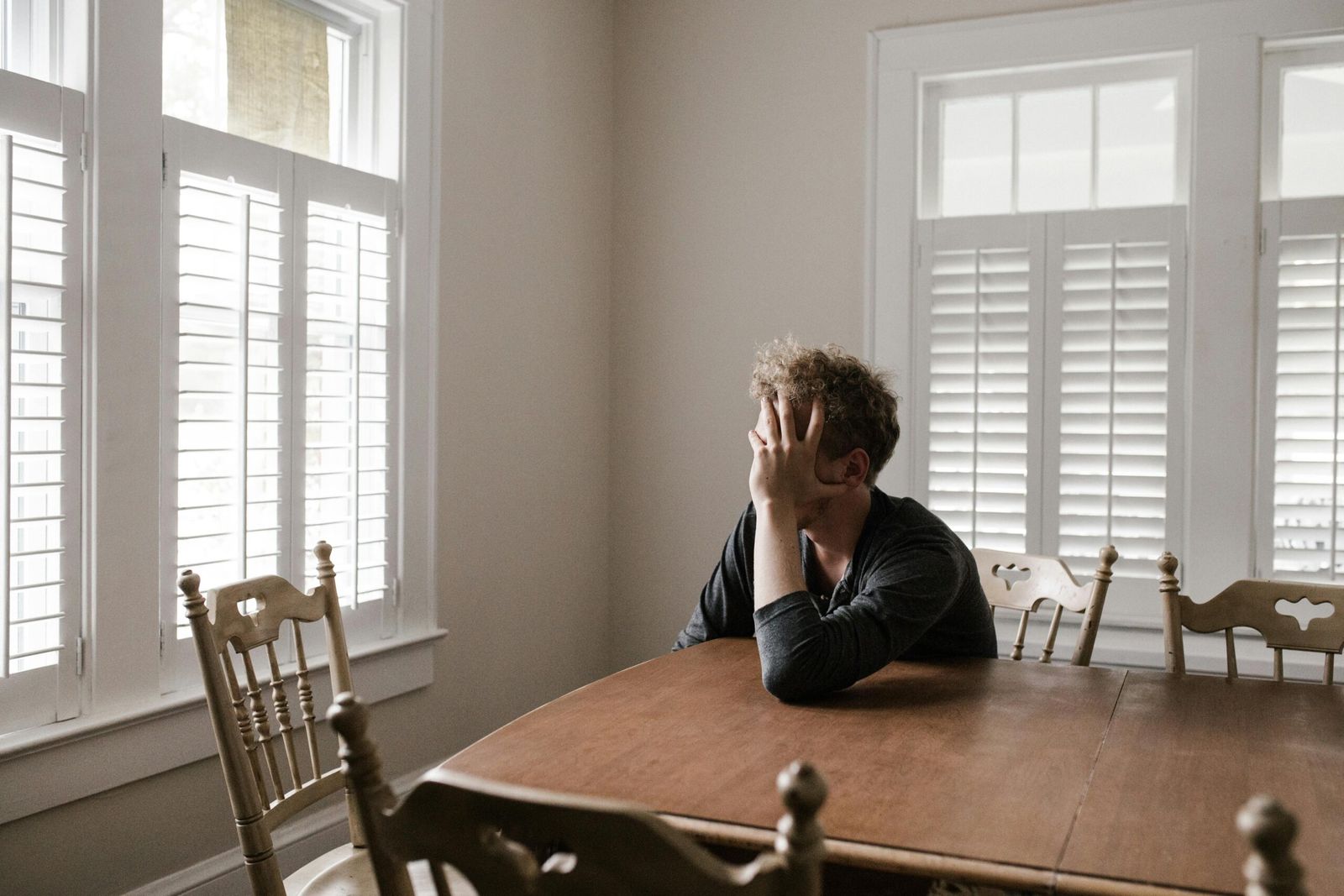
Depression Causes Symptoms Diagnosis Treatment
Depression isn’t just feeling sad—it’s like carrying a heavy backpack you can’t take off, weighing you down day after day. It’s a mental health condition that affects millions, stealing joy, energy, and motivation. Understanding its causes, symptoms, diagnosis, and treatment can light the way toward hope and healing. Let’s dive into this topic, exploring what depression is, why it happens, and how to tackle it head-on.
What Is Depression?
Imagine waking up every day feeling like the world’s colors have faded to gray. That’s what depression can feel like—a persistent mental health disorder that goes beyond temporary sadness. Unlike a bad day, depression lingers, affecting your thoughts, emotions, and body. It’s not just “feeling blue”; it’s a complex condition that can disrupt every aspect of life. While sadness is a normal emotion, depression is like sadness on steroids, sticking around for weeks, months, or even years if untreated.
Depression isn’t a one-size-fits-all condition. It varies in intensity, from mild to severe, and can show up differently in everyone. Some might feel numb, while others battle overwhelming despair. Recognizing it as a medical condition, not a personal flaw, is the first step toward understanding and managing it.
Prevalence of Depression
Depression doesn’t discriminate—it can affect anyone, anywhere. According to the World Health Organization, over 264 million people worldwide live with depression, making it one of the leading causes of disability. In the U.S., about 7% of adults experience a major depressive episode each year. These numbers aren’t just stats; they’re a wake-up call. Depression is common, yet many suffer in silence due to stigma or lack of access to care. Raising awareness helps us normalize conversations about mental health and encourages people to seek help.
Causes of Depression
What sparks depression? It’s like trying to solve a puzzle with pieces from biology, environment, and psychology. Let’s break it down.
Biological Factors
Your brain is like a control center, and when its wiring gets out of sync, depression can creep in. Imbalances in neurotransmitters—like serotonin and dopamine—play a big role. These chemicals regulate mood, and when they’re off, it’s like a radio stuck on static. Hormonal changes, such as those during pregnancy or menopause, can also trigger depression. And don’t underestimate genetics—if a close family member has struggled with depression, your risk might be higher, though it’s not a guaranteed sentence.
Environmental Triggers
Life can throw curveballs, and some hit harder than others. Stressful events like losing a loved one, financial struggles, or a divorce can push someone toward depression. Trauma, such as abuse or neglect, can leave deep scars, making it harder to bounce back. Even chronic stress—like a toxic job or constant caregiving—can wear you down, turning a sunny disposition cloudy.
Psychological Factors
Your mind can be your own worst enemy. Certain personality traits, like perfectionism or low self-esteem, can make you more vulnerable. Negative thinking patterns—like always expecting the worst or blaming yourself for everything—can trap you in a cycle of despair. It’s like wearing glasses that only show the dark side of life. Over time, these thoughts can rewire how you see yourself and the world.
Symptoms of Depression
Depression isn’t just in your head—it affects your heart, body, and soul. Here’s how it shows up.
Emotional Symptoms
Ever feel like you’re stuck in a fog of sadness that won’t lift? That’s a hallmark of depression. You might feel hopeless, like there’s no light at the end of the tunnel, or lose interest in things you used to love, like binge-watching your favorite show or hanging out with friends. Irritability and anxiety can also sneak in, making you feel on edge or empty.
Physical Symptoms
Depression doesn’t just mess with your mind—it takes a toll on your body. Fatigue can make you feel like you’re wading through molasses. Sleep problems, like insomnia or oversleeping, are common. Your appetite might swing—some people eat their feelings, while others can’t stomach food at all, leading to weight changes. Headaches, stomach issues, and chronic pain can also tag along, uninvited.
Cognitive Symptoms
Ever try to focus when your brain feels like a scrambled egg? Depression can make it hard to concentrate, remember things, or make decisions. You might feel worthless or plagued by guilt, even when you’ve done nothing wrong. In severe cases, thoughts of death or suicide can creep in, which is a red flag to seek help immediately.
Depression Causes Symptoms Diagnosis Treatment: How Depression Affects Daily Life
Depression is like a thief, stealing joy from relationships, work, and hobbies. You might push away loved ones, feeling too drained to connect. At work, tasks that once felt easy can seem impossible, tanking productivity. Social plans? Cancelled. Hobbies? Forgotten. It’s not laziness—it’s depression sapping your energy and motivation, making even small tasks feel like climbing a mountain.
Diagnosing Depression
Wondering if it’s depression or just a rough patch? A proper diagnosis is key.
Professional Evaluation
A mental health professional, like a psychologist or psychiatrist, can assess your symptoms. They use tools like the DSM-5 (Diagnostic and Statistical Manual of Mental Disorders) to check if you meet criteria for depression. This involves looking at how long symptoms last (usually at least two weeks) and how they impact your life. It’s like getting a roadmap to understand what’s going on.
Screening Tools
Doctors might use questionnaires, like the PHQ-9, to gauge symptom severity. These ask about things like mood, sleep, and energy levels. Self-reporting is crucial—being honest about how you feel helps professionals get the full picture. It’s like giving them the pieces to solve your puzzle.
When to Seek Help
If you’re wondering, “Is this normal?”—trust your gut. If symptoms last more than two weeks or interfere with life, it’s time to reach out. Overcoming stigma is tough, but seeking help isn’t weakness—it’s strength. Think of it as calling a mechanic when your car breaks down. Your mind deserves the same care.
Depression Causes Symptoms Diagnosis Treatment: Treatment Options for Depression
Good news: depression is treatable. Here’s a toolbox of options to explore.
Psychotherapy
Talking it out can work wonders. Cognitive Behavioral Therapy (CBT) helps you reframe negative thoughts, like swapping out those dark-tinted glasses for clear ones. Interpersonal Therapy (IPT) focuses on relationships and communication, helping you rebuild connections. Therapy is like a gym for your mind—consistent effort builds resilience.
Medications
Antidepressants, like SSRIs (e.g., Prozac) or SNRIs, can balance brain chemistry. They’re not a magic fix, but for many, they’re a lifeline. Side effects, like nausea or drowsiness, can happen, so work closely with a doctor to find the right fit. It’s like tuning an instrument—patience is key.
Lifestyle Changes
Your body and mind are connected. Regular exercise—like a brisk walk—can boost mood by releasing endorphins. A balanced diet fuels your brain, while good sleep hygiene helps you recharge. Small changes, like cutting back on caffeine or setting a bedtime routine, can make a big difference.
Alternative Therapies
Ever tried mindfulness? It’s like pressing pause on life’s chaos. Meditation and yoga can reduce stress and improve focus. Art or music therapy lets you express what words can’t. These approaches complement traditional treatments, offering creative ways to heal.
The Role of Support Systems
You don’t have to face depression alone. Friends and family can be your cheerleaders, offering love and encouragement. Support groups, whether in-person or online, connect you with others who get it. It’s like finding a tribe that speaks your language, reminding you you’re not alone.
Depression Causes Symptoms Diagnosis Treatment: Coping Strategies for Managing Depression
Taking control of depression is like steering a ship through a storm. Build a daily routine to create stability. Set small, achievable goals—like making your bed or taking a shower—to build momentum. Journaling can help you process emotions, while self-compassion reminds you to be kind to yourself.
Preventing Depression Relapse
Beating depression once doesn’t mean it’s gone forever. Stay vigilant by recognizing early signs, like withdrawing or feeling irritable. Stick to your treatment plan, whether it’s therapy, meds, or lifestyle habits. It’s like maintaining a car—regular check-ups keep it running smoothly.
Depression in Specific Populations
Depression doesn’t look the same for everyone. Let’s explore how it shows up in different groups.
Depression in Teens
Teens face unique pressures—school, social media, and hormones can amplify depression. They might seem moody or withdraw from friends. Look for signs like dropping grades or risky behavior. Early support, like therapy, can make a huge difference.
Depression in Older Adults
Aging brings challenges—retirement, health issues, or losing loved ones can trigger depression. Older adults might downplay symptoms, mistaking them for “normal aging.” Physical complaints, like aches, are common red flags. Tailored treatments, like therapy or social activities, can help.
Myths and Misconceptions About Depression
Let’s clear the air. Myth: Depression is just weakness. Truth: It’s a medical condition, not a character flaw. Myth: You can just “snap out of it.” Truth: Recovery takes time and effort. Busting these myths helps us talk openly and support each other better.
The Future of Depression Treatment
The future looks hopeful. Researchers are exploring new therapies, like ketamine infusions or transcranial magnetic stimulation (TMS), which target the brain in innovative ways. Technology, like mental health apps or teletherapy, makes support more accessible. It’s like opening new doors to healing.
Conclusion
Depression is a tough opponent, but it’s not unbeatable. By understanding its causes—biological, environmental, and psychological—you can recognize the signs and take action. From therapy and medications to lifestyle changes and support systems, there’s a path to feeling better. Don’t let stigma hold you back. Reach out, take small steps, and remember: you’re not alone in this fight. Your mental health matters, and there’s hope for brighter days.
FAQs
- Can depression go away on its own?
Sometimes mild depression might improve with time, but persistent symptoms often need treatment. Think of it like a sprained ankle—ignoring it can make it worse. Professional help, like therapy, can speed up recovery. - How do I know if I need medication for depression?
A doctor or psychiatrist can assess if medication is right for you based on symptom severity and history. It’s like choosing the right tool for a job—sometimes therapy is enough, but meds can help for tougher cases. - What’s the difference between depression and anxiety?
Depression often involves sadness, hopelessness, and low energy, while anxiety brings worry, restlessness, and fear. They can overlap, like two sides of a coin, and many people experience both. - Can exercise really help with depression?
Absolutely! Exercise releases endorphins, which are like natural mood boosters. Even a 20-minute walk can lift your spirits, acting like a mini reset for your brain. - How can I support a loved one with depression?
Listen without judgment, offer encouragement, and suggest professional help if needed. It’s like being their cheerleader—small gestures, like checking in, can mean the world.

डिप्रेशन से यूँ पाएं छुटकारा Depression Causes Symptoms Diagnosis Treatment are here to let you know detail information about depression. Read on.
क्या आपको छोटी सी बात का बहुत तनाव हो जाता है। क्या आप कभी-कभी डिप्रेशन (Depression Causes Symptoms Diagnosis Treatment)महशुस करते हैं। या फिर बहुत नाराज़ हो जाते हैं। इन सबका मूल कारण हमारे सूक्ष्म शरीर में आने वाली नकारात्मक ऊर्जा है।
हमारे सूक्ष्म शरीर में मुख्यतः कुंडलिनी, तीन नाड़ियां तथा सात चक्र जन्म से ही विद्यमान हैं।
ये नाड़ियां चक्र हमारे शारीरिक, मानसिक, भावनात्मक तथा आध्यात्मिक पक्ष को नियन्त्रित करते हैं। इनकी अपनी-अपनी विशेषता गुण होते हैं। ध्यान द्वारा हम अपने चक्रों नाड़ियों की स्थिति अपने हाथों पर महसूस कर सकते हैं, उनके विकारों को आसानी से ठीक कर सकते हैं उनके गुणों को आत्मसात कर सकते हैं। (Depression Causes Symptoms Diagnosis Treatment)कुरान में लिखा है कि कियामा (पुनरुत्थान) के समय आपके हाथ बोलेंगे।
Depression Causes Symptoms Diagnosis Treatment
ध्यान द्वारा कुंडलिनी जागृति से असीम शांति एवं आनंद की अनुभूति होती है, आंतरिक परिवर्तन स्वतः जाता है। वर्तमान तनावपूर्ण तथा प्रतिस्पर्धात्मक वातावरण में भी सामंजस्य बनाना सरल हो जाता है और हम आनंदमय, शांतिमय तथा मधुर सम्बन्धमय जीवन प्राप्त करने में सक्षम होते हैं। इससे तमाम लाइलाज बीमारियां भी ठीक हुई हैं। तनाव, डिप्रेशन और नाराजगी जैसे निगेटिव इमोशन्स से छुटकारा मिल जाता है।
Depression Causes Symptoms Diagnosis Treatment
ध्यान मानव में स्थित ईश्वरीय शक्ति कुंडलिनी का परमात्मा की सर्वव्यापी शक्ति से योग है। कुंडलिनी परमात्मा की ही शक्ति है, जो मनुष्य की रीढ़ की हड्डी के नीचे त्रिकोणाकार अस्थि में साढ़े-तीन कुंडलों में विद्यमान है। कुंडलिनी जागरण का उल्लेख विश्व के लगभग सभी धर्म ग्रंथों में मिलता है। बाईबल में इसे कूल ब्रीस आफ होली कहा है। Depression Causes Symptoms Diagnosis Treatment कुंडलिनी का जागरण सही प्रकार से मध्य नाड़ी से होना आवश्यक है। कुंडलिनी के गलत जागरण से नुकसान हो सकता है।
Depression Causes Symptoms Diagnosis Treatment
-शांत एवं एकाग्र चित्त
(स्वाधिष्ठान चक्र से)
-स्मरण शक्ति तथा सृजनशीलता में वृद्धि
(स्वाधिष्ठान तथा मूलाधार चक्र द्वारा )
-आत्मिक शांति, संतोष (नाभि चक्र द्वारा)
-प्रेम एवं करुणामय आचरण, आत्म विश्वास में वृद्धि (ह्दय चक्र से)
– मधुर वाणी स्वभाव (विशुध्दि चक्र से)
– क्षमा शक्ति, सहन शीलता धैर्य में वृद्धि
(आज्ञाचक्र से)
-सबके प्रति प्रेम (सहस्रार चक्र द्वारा)
– जीवन के प्रति सकारात्मक दृष्टिकोण
(बायां पक्ष, इड़ा नाड़ी से)
-कार्य क्षमता में वृद्धि